
_________
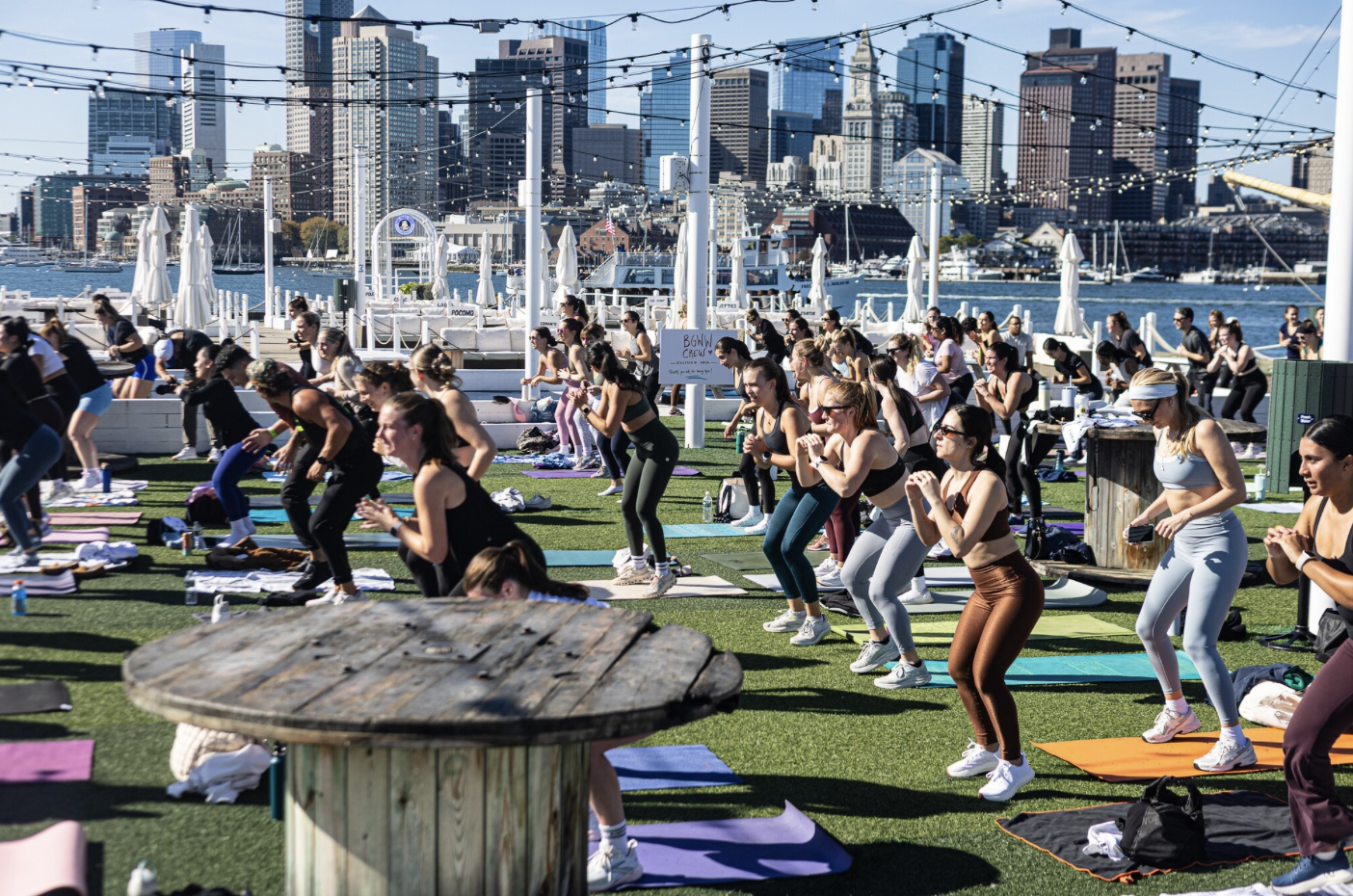
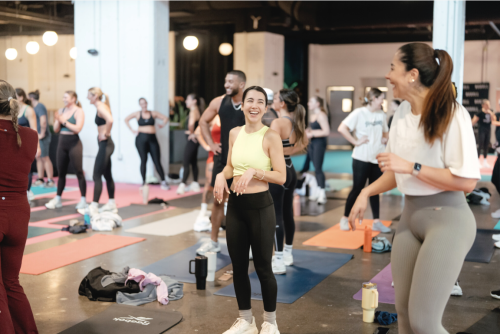
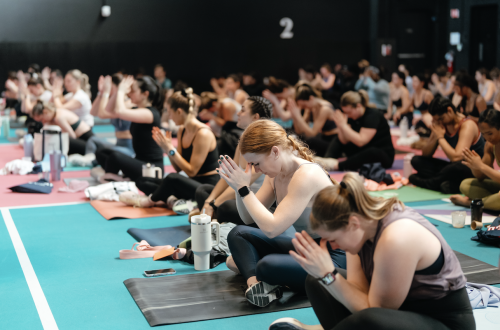
IT’S NOT A TYPICAL SUNDAY MORNING on the court for South Boston’s pickleball parlor –PKL Boston. Rows of colorful mats cover the floor as nearly 200 women and men show up for Spring Break (a sweat).
It’s not your Girls Gone Wild spring break either. For 60 minutes, these exercisers squat, sit-up, and mountain climb to a Coachella-worthy playlist booming from a live DJ. After the workout ends, it’s the afterparty. On the lineup? Mimosas, mini facials, B12 shots –just to name a few.
“People aren’t just looking for a workout anymore. People are really looking for these opportunities that’re more, all around experiences,” explains Jess Marcarelli, 38, a full-time certified fitness instructor in the city.
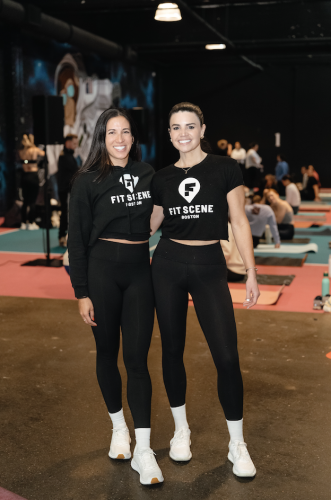
Marcarelli along with her friend and business partner Marsey Pendexter, 38, created Spring Break (a sweat)—an event that creatively blendsfitness, specialized selfcare treatments, and socializing.
__________
Fitness industry experts including Marcarelli and Pendexter say they’ve not only seen increased interest in Boston for social wellness activities like these, but more businesses and brands are curating these types of events.
“So many people are looking for connection. We wanted to create a more accessible, inclusive fitness community,” Pendexter shares.
In May of 2025, Marcarelli and Pendexter launched a business together called Fit Scene Boston. Their online platform gives people free access to real-time data on everything fitness-related in the city.
Fit Scene Boston puts a big emphasis on promoting social wellness events too. Summer is peak season for these gatherings.
On average, Pendexter says they promoted 120 social wellness events per month from last June through August. This year, she expects that number to rise considerably.
Pendexter adds that millennials and Gen Z (26–42-year-olds) are engaging with their services most.
____
A NEW REPORT from the Bank of America Institute uncovers Gen Z and millennials are spending more money on fitness than socially drinking, with Gen Z paying the most for exercise-related activities.
What’s more, almost 30 percent of millennials and Gen-Zers are making wellness a higher priority now than one year ago, according to McKinsey & Company’s Future of Wellness survey for 2025.
“People really care about their health, and they’re picking things to do with their time that betters their health.” explains Kaitlyn McDonough, 33, Founder of FIFTH Wellness.
“I think the social wellness fitness industry just continues to get more profitable,” says McDonough who started FIFTH Wellness four years ago.
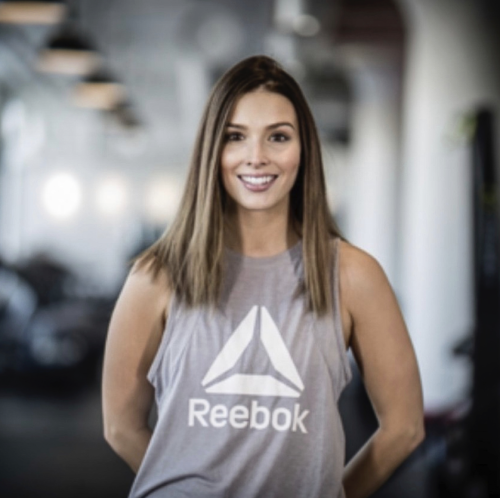
Her marketing, management, and manufacturing agency works alongside global and local fitness, lifestyle, and wellness brands to create social wellness events that’re engaging to consumers. McDonough refers to these get-togethers as “IRL (in real life) Activations.”
Since launching FIFTH Wellness, McDonough says business has gone up by 50-60 percent each year.
“You’re seeing a lot of success with smaller businesses who are able to make such an impact with their consumer, or provide them something of quality,” she explains. “Consumers care more about quality and experience than they necessarily do about brand name now.”
_____
Adding to Boston’s growing social wellness landscape, luxury social selfcare club –Remedy Place– opened in the Seaport District in March 2025. It offers a range of sophisticated treatments such as a hyperbaric oxygen chamber, AI massage, and lymphatic compression.
While Boston joins the exclusive ranks of NYC and LA as one of three cities in the country with a Remedy Place, industry professionals still consider Boston behind in the social wellness department.
“We still have not reached the levels of what you’ll see in like a Miami, New York, and LA.” remarks McDonough.
Despite the high interest level, she believes money has something to do with it, “I do see hesitancy still for investment.” In bigger cities, she says they’re willing to spend more on wellness.
McDonough believes Boston can get there. She considers the recent arrival of Remedy Place a promising sign.
“I’m excited to see where it evolves to. We just continue to see people prioritizing their health. And I don’t think that’s going to change.”