

Framed, Freed, and Reborn, Rickey “Fu-Quan” McGee Speaks his Truth
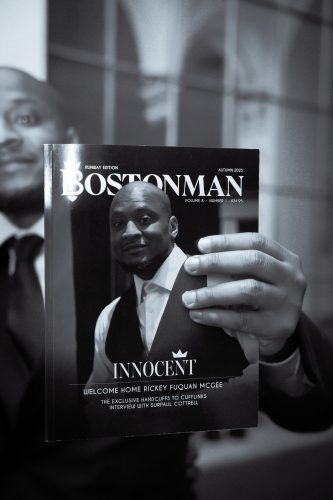
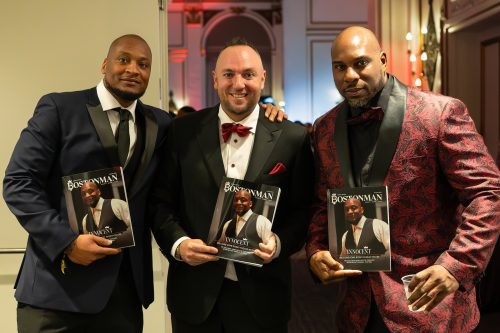
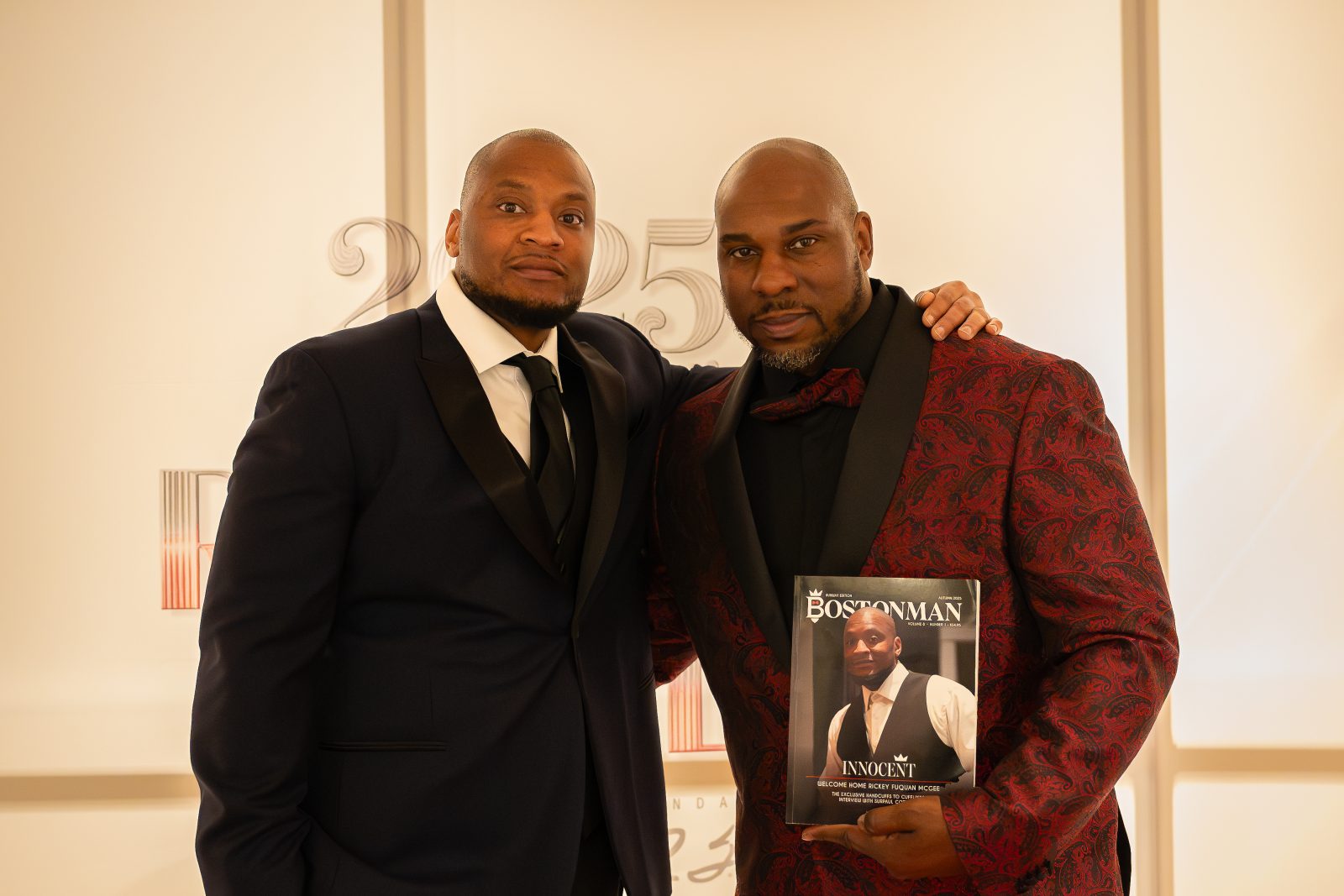
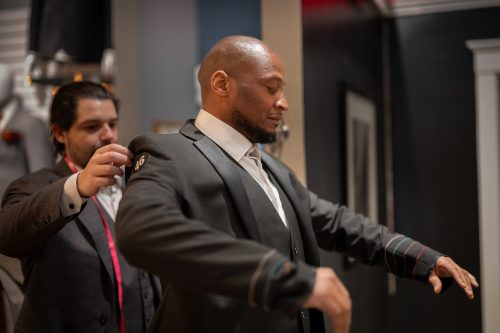
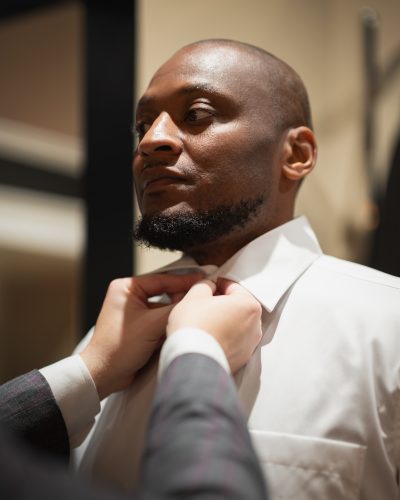
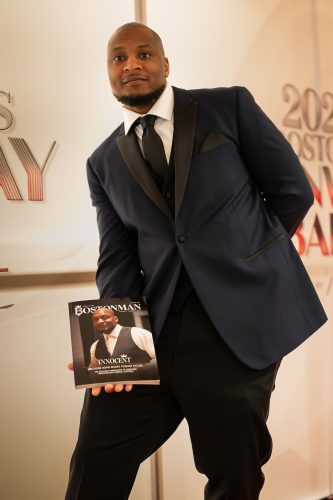
AFTER 28 years wrongfully imprisoned, ‘Fu-Quan” McGee -now rightfully exonerated- returns with a message of evolution, mental liberation, and community transformation — proving what it truly means to go from ‘Handcuffs 2 Cufflinks’.
⸻
H2C: You’re stepping into a new chapter of freedom after 28 years inside. How do you define the man you are today?
Fu-Quan: I define this new chapter of freedom as one that allows me to reaffirm my own humanity based on my ability to rise above some of the darkest periods of my life without compromising the fortitude, resiliency, and self-determination that validate I’m a living and evolving being. I’ve been compelled to take this energy and vessel it into every space I’m in for as long as I have life in my lungs. Fighting for freedom didn’t just expose me to liberation — it showed me how to elevate in an environment where gravity makes it almost impossible to rise.
H2C: What was the very first thought that hit you when you walked out after all those years?
Fu-Quan: My first thought was: there is more to achieve than this moment. Because every moment has the capacity to become a movement, I had to be very cognizant of what this opportunity could create — not just for me, but for everyone I feel obligated to stand up for, and for the people empowered by my advocacy.
H2C: When you went in at nineteen, who were you? And how did those 28 years reshape you?
Fu-Quan: When I came in as a 19-year-old, I had ambition without identity. No practical legacy I felt compelled to create. I was unconsciously depending on false affirmations of who I was. But adversity revealed who I truly was when it mattered most. It showed me how committed I was not just to survive, but to validate my survival by complementing it with purpose.
My 28 years showed me my ability to persevere — without compromising the most significant thing to me: the identity I fashioned with my own hands.
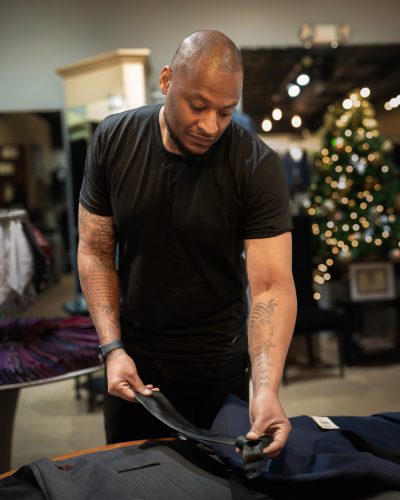
H2C: Inside those walls, you created your own world. What did that world look like?
Fu-Quan: The world I created was one where I became the architect of my own legacy. I desired to execute my humanity in an inhumane environment. I sustained myself by understanding how the environment landed on my body, and spiritually staying connected to the essence of me that was elevating even while I lived through the darkest periods of my life.
H2C: Walk me through a typical day behind the wall when you were operating at that level.
Fu-Quan: A normal day for me began with training — not just working out, but truly training, because the body is an instrument. Without maintenance, any idea you’re trying to materialize can be compromised by the body’s inability to sustain itself. After a shower, I went into the law library. That space allowed me to pursue my obligation to get free and also be there for others who had equal ambitions.
That did two things: it forced me to continue investing in my central goal — freedom — and it helped create a culture of advocacy that challenged the prison environment.
My days were filled with reflection, motivating others, and empowering moments that transcended the morale of the environment.”
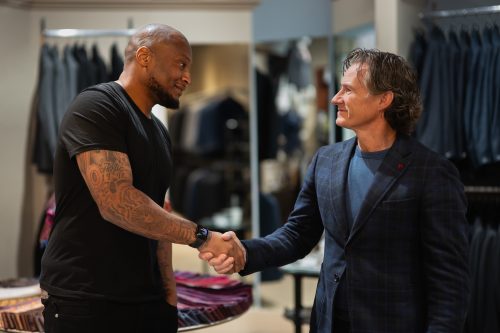
H2C: You created programs inside that became legendary. Where did they come from?
Fu-Quan: Programs came from the voids I witnessed in prison. Once I learned how to create programs in a correctional setting — and had the personality to fill those rooms — I paid attention to what the environment needed. Whether literacy, reentry resources, or conflict resolution, I focused on creating structural change. Sometimes it was micro things, like cultivating unity that would usher in a new chapter for our lives. These endeavors were vital for helping us rise above the dark places we were jointly introduced to.
H2C: How did the younger guys respond to you? What impact did you have on them?
Fu-Quan: I think the younger men saw versions of themselves in me — versions they never had the courage to fully live out. I came from the same environment they called home, and seeing the respect I earned without compromising my dignity empowered them.
The impact was transformative. They became determined to create lives worthy of bringing into reality — something that once sounded simple, but for them, it was revolutionary. They began to rise above what were once considered impossible odds.
H2C: What disciplines did you master inside that shaped who you are today?
Fu-Quan: The central discipline I mastered was to never react to anything without first understanding the long-term ramifications of my actions or inactions. That principle shaped everything else.
H2C: You talk a lot about inner transformation. Break that down for me.
Fu-Quan: I believe change without starts with change within. If someone can’t create themselves internally as they envision, I’m not confident they can create anything meaningful externally. When you can transform yourself into what you envisioned — that becomes your grounding, your blueprint. From that personal blueprint comes your ability to transform everything around you.
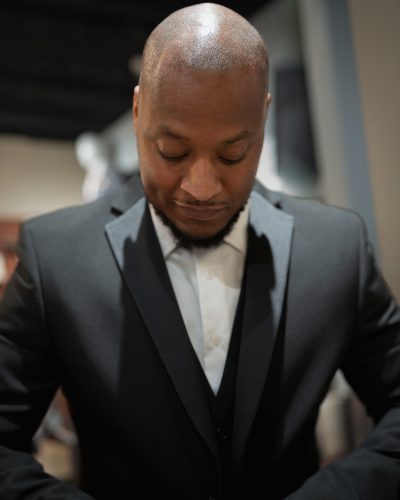
H2C: You’ve told the story of naming yourself Fu-Quan. What happened in that moment?
Fu-Quan: When I was convicted, on my way to MCI-Concord, I was thinking about the negative culture I’d encounter. Then I caught myself. If I’m assessing the impact the system will have on me, I also need to assess the impact I will have on the system.
That’s when I named myself Fu-Quan. I was committed to making sure the system knew my name as much as I knew its shortcomings. I summoned everything I learned to foster the audacity to believe I could transform an environment designed to suppress my ambition.
H2C: Your organizational abilities are strong. Where does that come from?
Fu-Quan: My organization comes from the teachings of the 5%. We believe in taking knowledge to born — from idea to creation. The greatest system to study is nature. Nature taught me order, structure, and alignment. After studying for 28 years, I came home feeling obligated to animate that part of me so I don’t get lost in any moment I’m meant to seize.
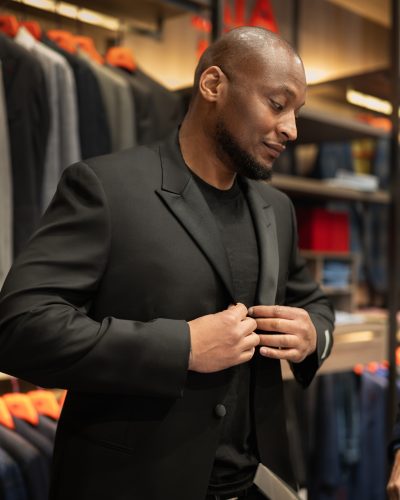
H2C: Let’s talk about now. What’s your mission today?
Fu-Quan: I’m working on the Harriet Tubman Project, a program I founded in 2021 while in prison. It teaches people about law, the criminal system, and their status in America. It helps them free themselves through parole, commutation, or vacated cases.
I’m also building out my #knowyourSmokeCampaign that was created in 2018 to unify younger brothers from the city and show them the power of collective consciousness. This campaign was successful in getting them to understand that the true adversaries wasn’t themselves but the structural racism that capitalizes on their division.
And my consulting allows me economic stability — but more importantly, it allows me to build platforms for others to reimagine their own legacy.
Business is an instrument to fulfill needs. I listen to the needs of the people and create products and outcomes rooted in that data. My gift is taking an idea and pouring everything into it until it becomes reality.
H2C: What do you offer companies and organizations that bring you in?
Fu-Quan: I teach them that the first business they’ll ever run is their life. The more one invests in themselves, the more the business benefits. I keep people grounded in that realization.
And when I give perspective, it’s not theory — it’s lived experience. If you don’t know how to find success in failure, you’re not ready for business. But the literacy gained from pitfalls leads to success, and I help keep them conscious of that.
H2C: What was the most important lesson prison taught you about people?
Fu-Quan: That prisons aren’t just physical — people create internal prisons every day. I learned that the first jail most people ever enter is the one in their mind. Once I got out, I realized how many people are still emotionally and intellectually imprisoned. Without inner change, the physical outcome rarely changes.
H2C: What kept you going all those years?
Fu-Quan: The obligation to clear my name. I was framed. My narrative was hijacked by a lie, and I had to commit my life to getting it back. Society has normalized wrongful incarceration in an inhumane way. Anyone could go through what I endured — and people need to recognize that.
H2C: Where do you see yourself in the next five years?
Fu-Quan: Consulting change agents across the country. Pouring back into my community. Cultivating the areas that need it most. And, above all, living the life I envisioned — without letting anything stand in my way.
H2C: For anyone reading this who feels judged, overlooked, or misunderstood — what’s your message to them?
Fu-Quan: The whole world can doubt you. The whole world can minimize your greatness. But it only becomes real when you doubt yourself. The only voice that truly matters is your own.
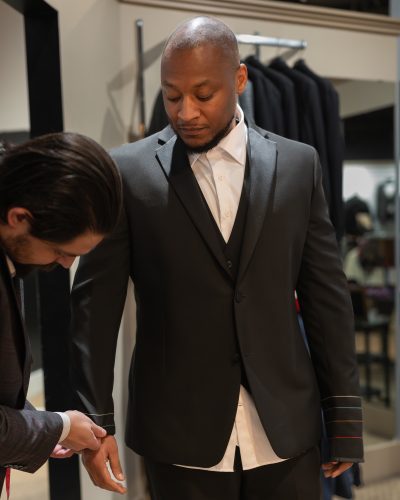
H2C: Finally — finish this for the readers: “This is how I’m going from Handcuffs to Cufflinks…”
Fu-Quan (Final, Powerful Version): “…by refusing to ever let anything — system, circumstance, or fear — incarcerate my mind again. The physical handcuffs came off the day I was exonerated, but the mental ones came off the moment I realized my value, my purpose, and the depth of my responsibility to myself and to my people.
Going from Handcuffs to Cufflinks means I’m stepping into every room as a man who has already survived the worst and still chose to rise. It means carrying my scars like credentials, my lessons like degrees, and my truth like armor. It means transforming everything that tried to break me into something that builds others.
I’m no longer living in reaction to what happened to me — I’m living in creation of what I’m destined to become.
So this is how I’m going from Handcuffs to Cufflinks:
by walking with a freedom so deep, so intentional, and so rooted in purpose that nothing and no one can shackle my evolution ever again. I didn’t just reclaim my life — I reclaimed my narrative. And now I’m using it to liberate others.”